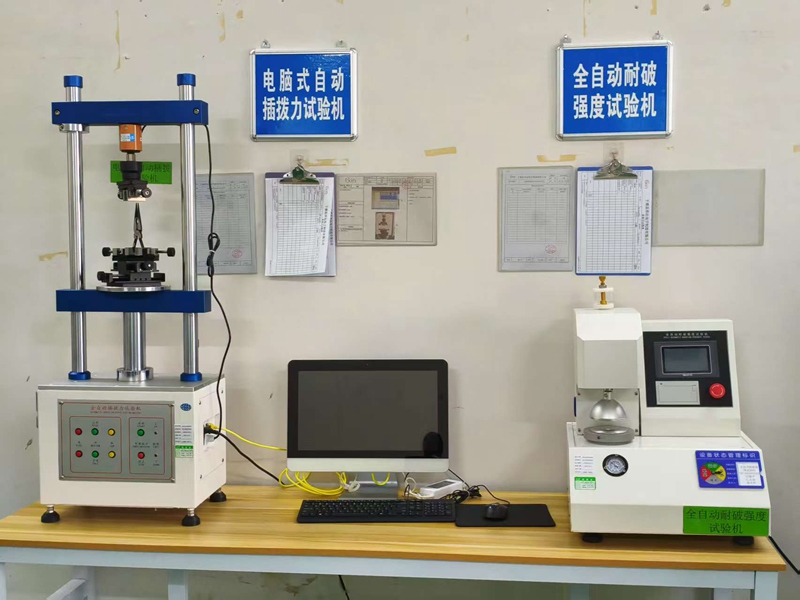
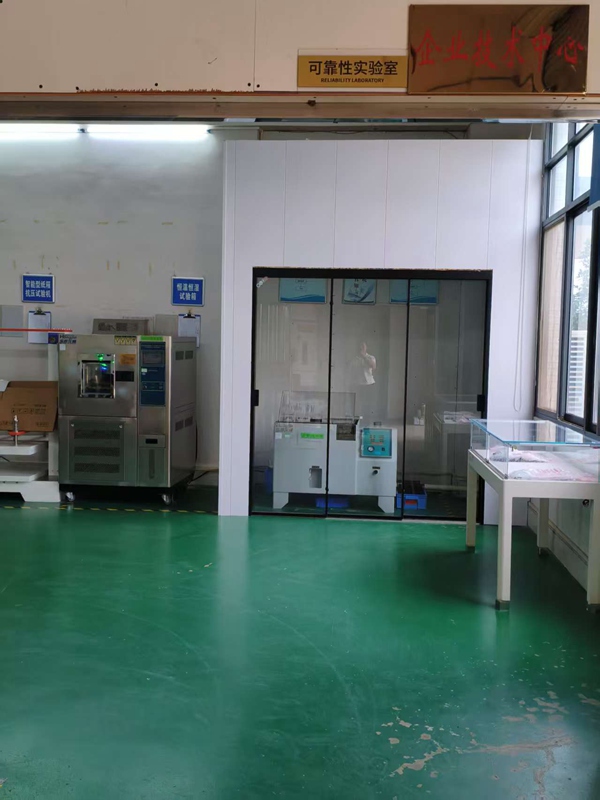
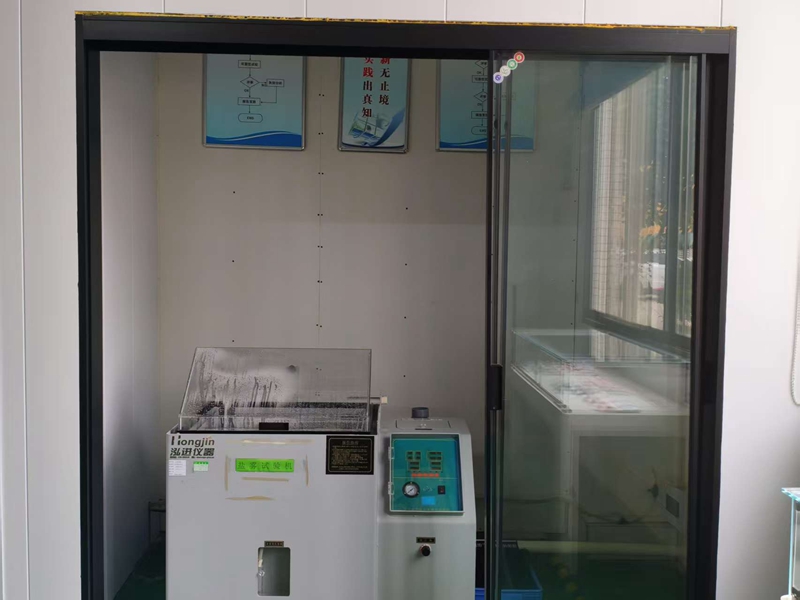
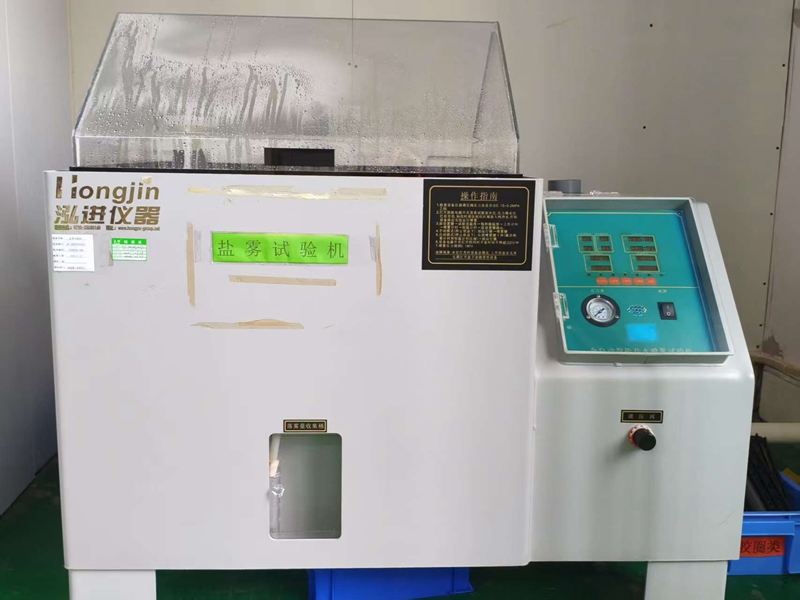
As a professional network transformer manufacturer, Shengda Electronics is equipped with specialized laboratories and reliable experimental equipment, which is crucial for ensuring product quality and stable operation in various environments. Here is a detailed introduction to the reliability experimental equipment:
1、 The importance of reliable experimental equipment
Network transformers are widely used in communication, network equipment and other fields, and need to withstand different environmental conditions such as temperature, humidity, voltage fluctuations, etc. Reliability testing equipment can simulate various harsh working conditions to conduct performance tests on products, detect potential defects in advance, and thus:
Ensure that the product complies with industry standards (such as IEEE, ISO, and other relevant specifications).
Enhance the competitiveness of the product in the market and customer trust.
Reduce the risk of after-sales failures and lower maintenance costs.
2、 Classification and functions of common reliability experimental equipment
(1) Environmental experimental equipment
Function of high and low temperature test chamber: Simulate temperature changes from -70 ℃ to 150 ℃ to test the electrical performance (such as inductance and loss) and physical stability (such as shell cracking and solder joint detachment) of network transformers under extreme high or low temperatures.
Application scenario: Verify the adaptability of the product in cold regions or high-temperature industrial environments.
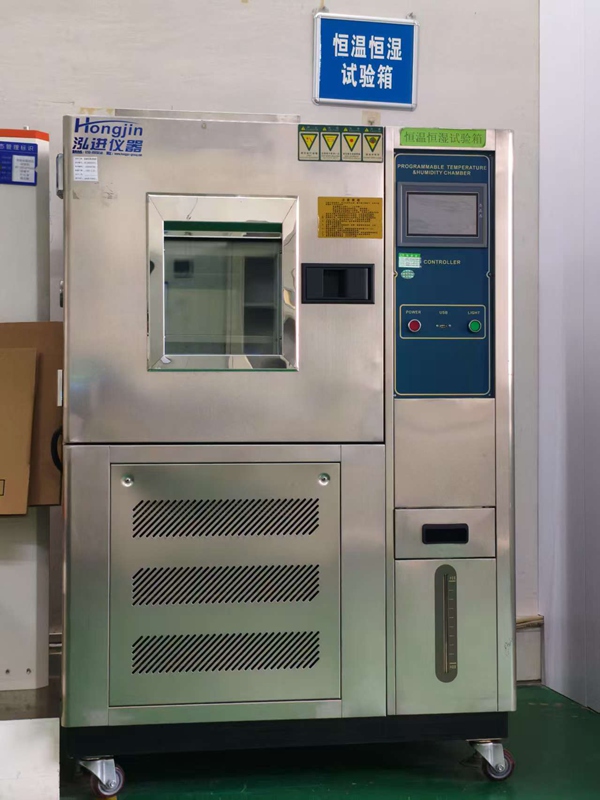
Function of constant temperature and humidity chamber: Control temperature (such as 25 ℃ -85 ℃) and humidity (such as 40% -95% RH), simulate humid environment, test the moisture-proof performance of transformer insulation materials, and avoid short circuits caused by condensation.
Typical test: Damp heat aging test, evaluating the reliability of long-term exposure to humid environments.
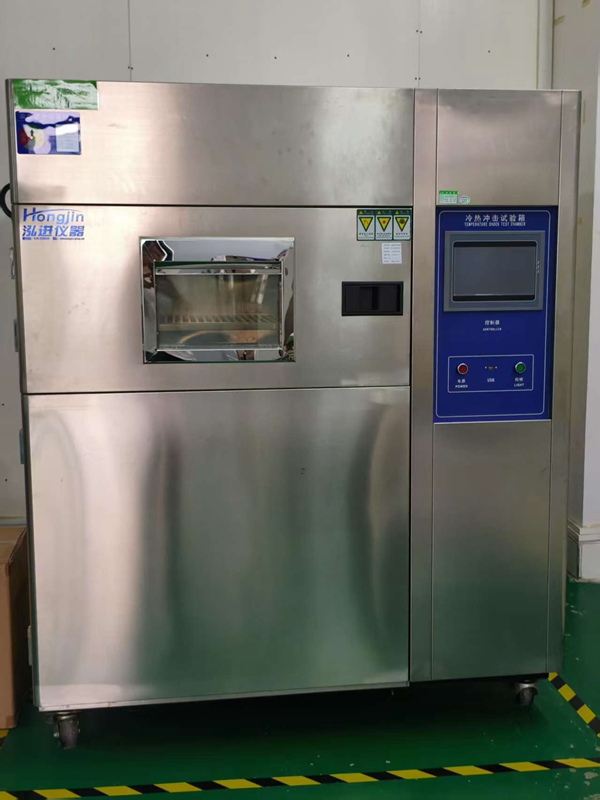
Cold and hot shock test chamber function: It can quickly switch between high and low temperatures (such as -40 ℃ to 125 ℃) in a very short time (such as 30 seconds), test the structural strength and performance stability of the product under sudden temperature changes, and detect the stress resistance of solder joints and packaging materials.
(2) Electrical performance experimental equipment
Function of voltage tester: Apply high voltage (such as 1000V-5000V) between the winding or between the winding and the shell, detect the voltage strength of the insulation layer, prevent leakage or breakdown, and ensure that the product meets safety requirements (such as UL, VDE standards).
Function of insulation resistance tester: measure the insulation resistance between windings and between windings and iron cores (usually required to be ≥ 100M Ω), evaluate the aging degree and moisture condition of insulation materials.
(3) Mechanical performance experimental equipment
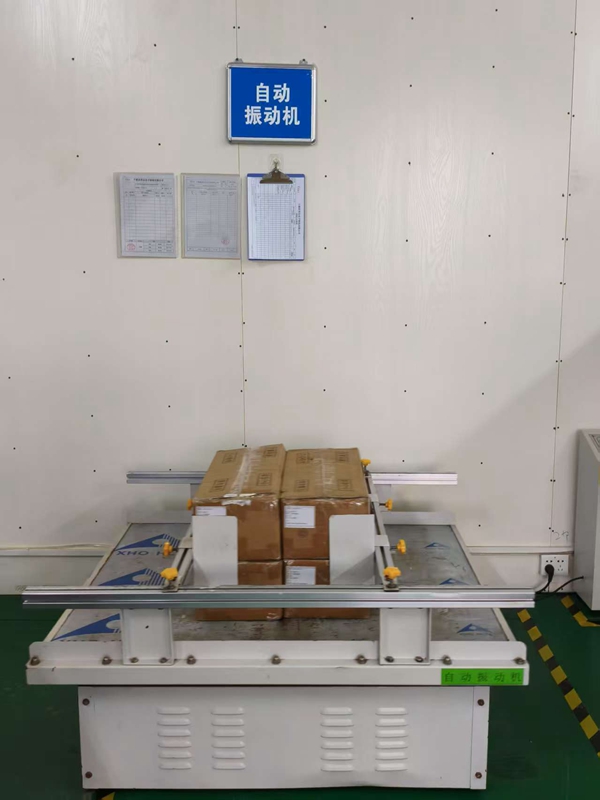
Vibration tester function: Simulate the vibration environment during transportation or operation through sine vibration, random vibration and other modes (such as frequency 10Hz-2000Hz, acceleration 10g-50g), detect the fixity of internal components of transformers (such as coils and magnetic cores), and prevent welding point loosening and lead breakage caused by vibration.
Function of drop testing machine: The product can be freely dropped from different heights (such as 1m-2m) onto a hard surface to test the impact resistance of the shell and ensure that the internal structure is not damaged during transportation or installation.
(4) Experimental equipment for lifespan and aging
High temperature aging chamber function: Conduct long-term aging tests (such as over 1000 hours) at high temperatures (such as 85 ℃ -125 ℃) to accelerate the aging process of internal materials of the product, evaluate its long-term working life, and verify whether the design life meets customer requirements (such as 5-10 years).
Salt spray test chamber function: Spray sodium chloride solution (such as 5% concentration) to form a salt spray environment, simulate corrosive scenarios such as ocean and industrial pollution, test the corrosion resistance of transformer shells and pins, and prevent metal oxidation from causing poor contact.
3、 Advantages of Shengda Electronic Laboratory
Fully equipped: covering all categories of testing including environmental, electrical, mechanical, etc., it can complete product reliability verification in one stop.
Strict standards: Customize testing plans based on international/domestic industry standards and customer specific needs (such as in car and industrial standards).
Data traceability: Each device is equipped with a data recording system that can generate detailed test reports for quality traceability and improvement optimization.